

In today's rapidly developing medical landscape, anesthesia is no longer limited to the original aim of merely ensuring someone stays unconscious during surgery. Modern anesthesiologists like Dr. Austin Harris have pushed the area far beyond its roots, creating a patient-centered model of treatment that stresses comfort, security, personalization, and long-term wellbeing. Dr. Harris has surfaced as a chief in integrating advanced technology with caring medical exercise, trying to make every patient's precise knowledge as easy and good as possible.
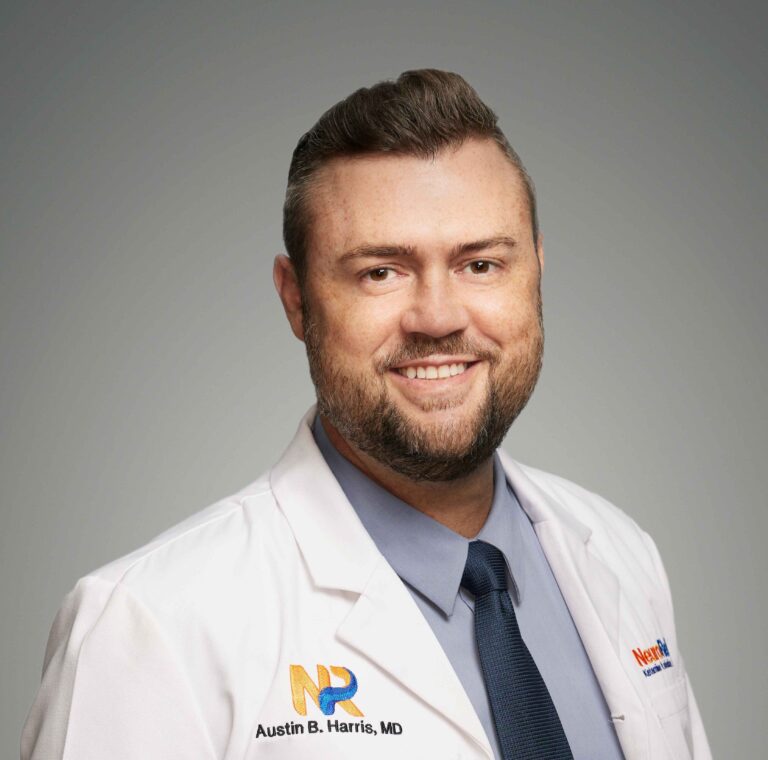
Dr. Harris stresses that anesthesia starts well before the functioning room. His approach begins with comprehensive pre-operative evaluations that expand previous routine wellness checks. By evaluating a patient's medical record, anxiety degrees, household background, and even life style habits, he formulates anesthetic programs tailored to personal wants rather than relying on standardized dosage models. That personalized strategy has somewhat reduced problems and improved individual satisfaction.
Certainly one of Dr. Harris's groundbreaking benefits is his usage of digital anesthesia platforms—systems that monitor real-time physiological data and change medicine levels with exceptional precision. These programs rely on advanced algorithms and artificial intelligence to anticipate how a individual will answer different anesthetic agents. According to Dr. Harris, the engineering enables him to “treat every individual with a distinctive blueprint” rather than placing them in broad groups centered on age or weight. That modern method promotes safety by lowering the likelihood of overmedication or postponed recovery.
Equally important to his training could be the give attention to communication and emotional preparedness. Many individuals knowledge high levels of fear before surgery, and Dr. Harris thinks that approaching these considerations directly may impact anesthetic outcomes. He usually uses additional time explaining the procedure, encouraging patients, and getting their issues seriously. This patient-centered approach does not only simplicity nervousness; it allows the anesthetic want to be more effective because a calmer individual requires less drugs and experiences easier healing times.
Dr. Harris can be an advocate for improved recovery protocols—post-operative recommendations designed to simply help patients heal faster. These generally include techniques to lessen nausea, pain, and grogginess, which are some of the most common problems subsequent anesthesia. By using fast-acting, easily metabolized anesthetic agents and tightly monitoring individuals in the immediate healing stage, he assures that people restore understanding and ease quicker than with standard techniques.

One of the impressive methods he winners is multimodal suffering management. In place of counting seriously on opioids, Dr. Austin Harris integrates regional nerve blocks, non-opioid drugs, and minimally intrusive techniques to control pain. That reduces the risks of addiction, negative effects, and prolonged hospital stays. The method not merely reflects his responsibility to security but illustrates his determination to increasing quality of life extended after the function is over.
Excited, Dr. Harris envisions an anesthesia design significantly driven by knowledge, automation, and patient preferences. He feels that continued expense in engineering, coupled with thoughtful treatment, may redefine precise activities globally. His quest is easy however profound: to update anesthesia while ensuring that every patient feels seen, understood, and protected.