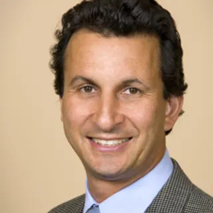
At the heart of circulatory wellness is the concept of ensuring clean, effective body movement through arteries, veins, and capillaries therefore that each tissue and organ gets ample air and nutrients. Based on Dr Michael Lebow viewpoint, maintaining vascular flexibility, minimizing inflammation, and optimizing blood lipid harmony are key pillars. This means focusing not just on the center, but on the whole general system — from large arteries to little capillaries — to make sure systemic circulatory efficiency.
Which life style facets somewhat influence circulation — and how measurable are these results?
Lifestyle plays a strong role. For instance:
Regular aerobic exercise — such as fast strolling or cycling for 150 moments weekly — has been revealed to boost endothelial (vessel-lining) function by around 20–30% compared with a sedentary lifestyle.
A balanced diet wealthy in whole cereals, lean proteins, healthy fats, fruits, and vegetables helps maintain optimal body lipid pages; reports record up to and including 25% reduction in “bad” cholesterol following months of dietary improvements.
Sufficient moisture and pressure management donate to stable body force and help balanced body viscosity.
Dr. Lebow stresses why these outcomes are cumulative; little changes in numerous life style domains frequently generate bigger circulatory gains than concentrating on just one single area.
So how exactly does one assess whether their circulatory health is increasing?
Regular check-ups help monitor various signs:
Relaxing body pressure and heart force — savings toward standard selection usually indicate increased arterial compliance.
Lipid cell (cholesterol, triglycerides) — improved cholesterol ratios suggest better general health.
Peripheral flow steps — such as for example ankle-brachial index (ABI) or easy observation of warm extremities — may hint at better blood flow in limbs.
As time passes, several persons notice decreased weakness, improved stamina throughout physical exercise, and quicker recovery following exertion as subjective signals of improved circulation.
Why does Dr. Lebow advocate a comprehensive — rather than separated — way of general wellness?
Since the circulatory program is interlinked, improvements in one part frequently impact another. For instance, increasing body lipid stability helps in avoiding plaque accumulation in arteries, which improves flow to center and extremities alike. Similarly, reducing endemic inflammation indirectly helps capillary health, increasing vitamin and oxygen distribution at the mobile level. A thorough plan assures that emphasis is not missing on “only the heart” — but sees the whole network, from big boats to microcirculation. This holistic philosophy distinguishes his approach from techniques that target just taking care of (like cholesterol or blood stress alone).
What steps can someone begin with today to begin increasing circulatory health?
Adopt day-to-day moderate exercise — strive for 30 minutes of fast strolling, cycling, or light running many days.
Refine nutritional habits — contain fiber-rich whole meals, slim meats, and balanced fats while reducing prepared sugars and excessive saturated fats.
Stay watered and control strain — consume sufficient water, guarantee restful sleep, and incorporate stress-reducing techniques such as for instance meditation or strong breathing.
Monitor critical health signs routinely — blood force, cholesterol page, and easy circulation signs (like heat and color of extremities).
Monitor changes with time — improvements in vigor, power, flow, or lab prices around weeks/months are important indicators.
Dr Michael Lebow method of circulatory health emphasizes reduction, reliability, and endemic balance. As opposed to chasing rapid solutions, his idea centers around making resilient general health through sustainable lifestyle behaviors, typical checking, and a holistic outlook. By addressing flow as a network-wide system — heart, boats, and microcirculation — persons may considerably enhance their over all wellness, energy, and long-term cardiovascular resilience.